12 Jyotirlingas In India : See The Spiritual Side Of The Country
Spread across the country, Jyotirlingas are visited by devotees and travelers from different parts of the world. From planning to organizing your trip, this 12 Jyotirlinga list can be super helpful. Below is a list of 12 Jyotirlinga images with name and place:

Hii ! Gaurav this side
Ultimately, the true meaning of travel for spiritual experience is about finding and creating moments of insight, connection, and growth that resonate with your personal journey
"Journeys to the Sacred: Exploring Temples Across Cultures"
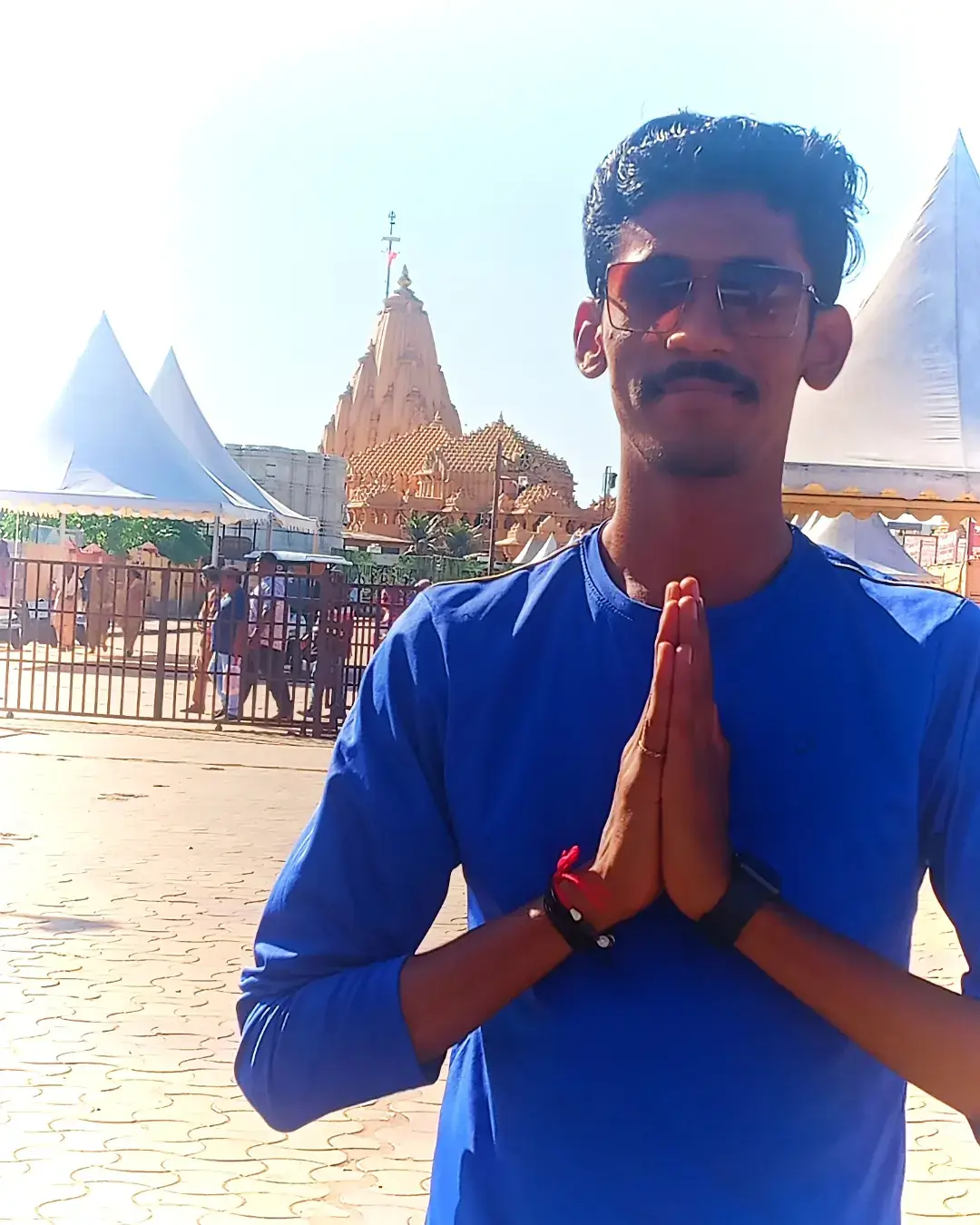
Somnath – Gir Somnath In Gujarat
This is one of the most famous Jyotirlingas in India. Somnath is regarded as the first among the twelve aadi jyotirlingas and one of the most worshipped pilgrimage sites in the country. The temple architecture resembles Chalukya style and Lord Shiva is believed to have appeared in this shrine, as a sizzling column of light. Shiv Purana tales reveal that Moon married 27 daughters of Dakshin Prajapati.But Moon was cursed by Prajapati for neglecting all his wives except one; Rohini. In order to get rid of the curse and regain his lost lustre and beauty, he worshipped Lord Shiva. The almighty granted his wish and resided here as Somnath eternally. Located in Kathiawad region, Somnath jyotirlinga temple was destroyed and rebuilt almost sixteen times. There is no doubt in the fact that this temple comes on the top in the 12 Jyotirlingas’ list and this jyotirlinga in Gujarat is a key landmark for travellers.
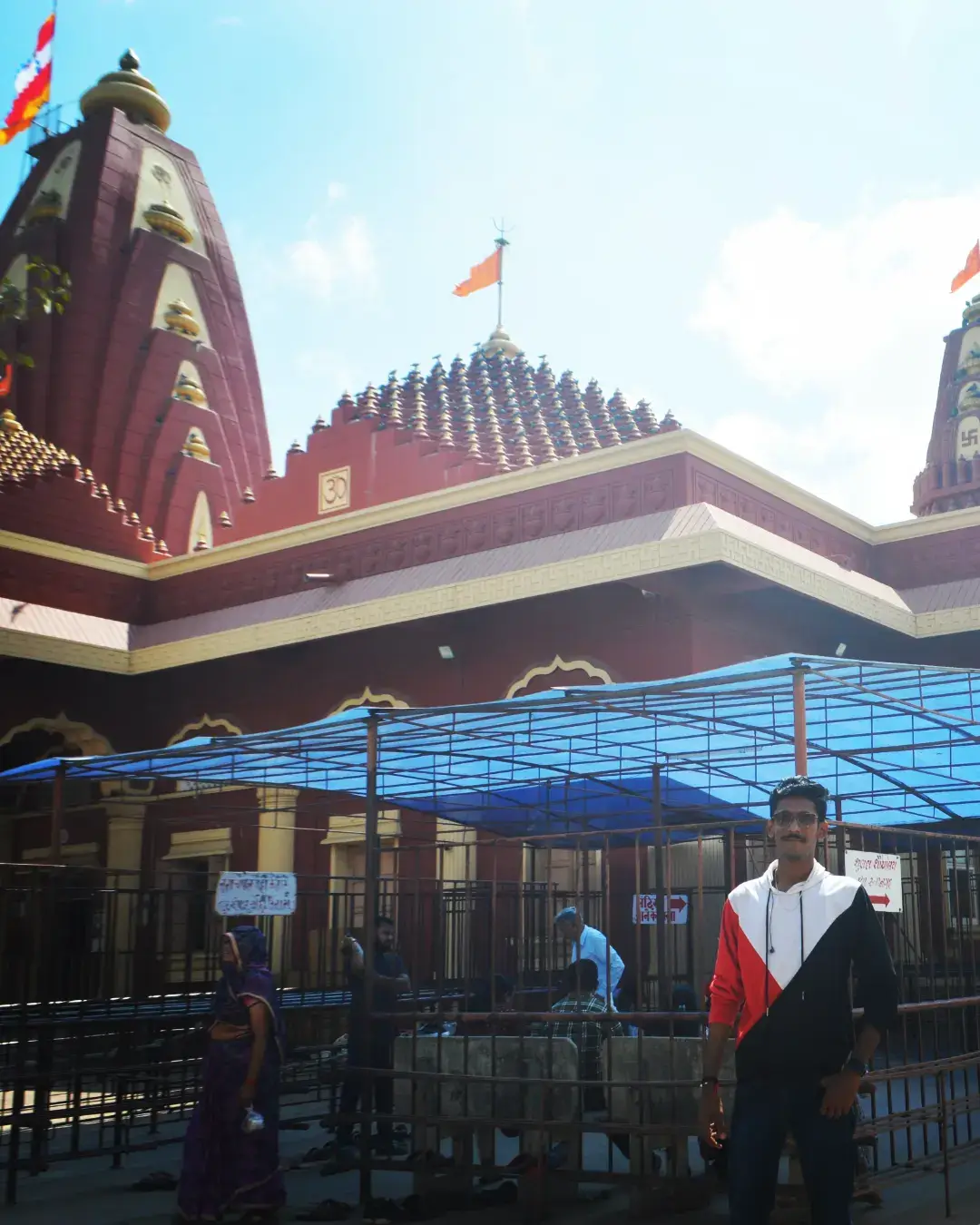
Nageshwar – Daarukavanam In Gujarat
Located on the coast of Saurashtra in Gujarat, between Gomati Dwarka and Bait Dwarka, Nageshwar is one of the popular Jyotirlinga tempes in India. Thousands of devotees visit the temple of Nagnath, round the year, to seek blessings from the holy shrine of Nageshwar Mahadev located in an underground sanctum. The 25-m tall statue of Lord Shiva, large garden and unobstructed views of the azure Arabian sea, fascinate the visitors. This is one of the most powerful Jyotirlingas in India, which symbolizes protection of all types of poisons.
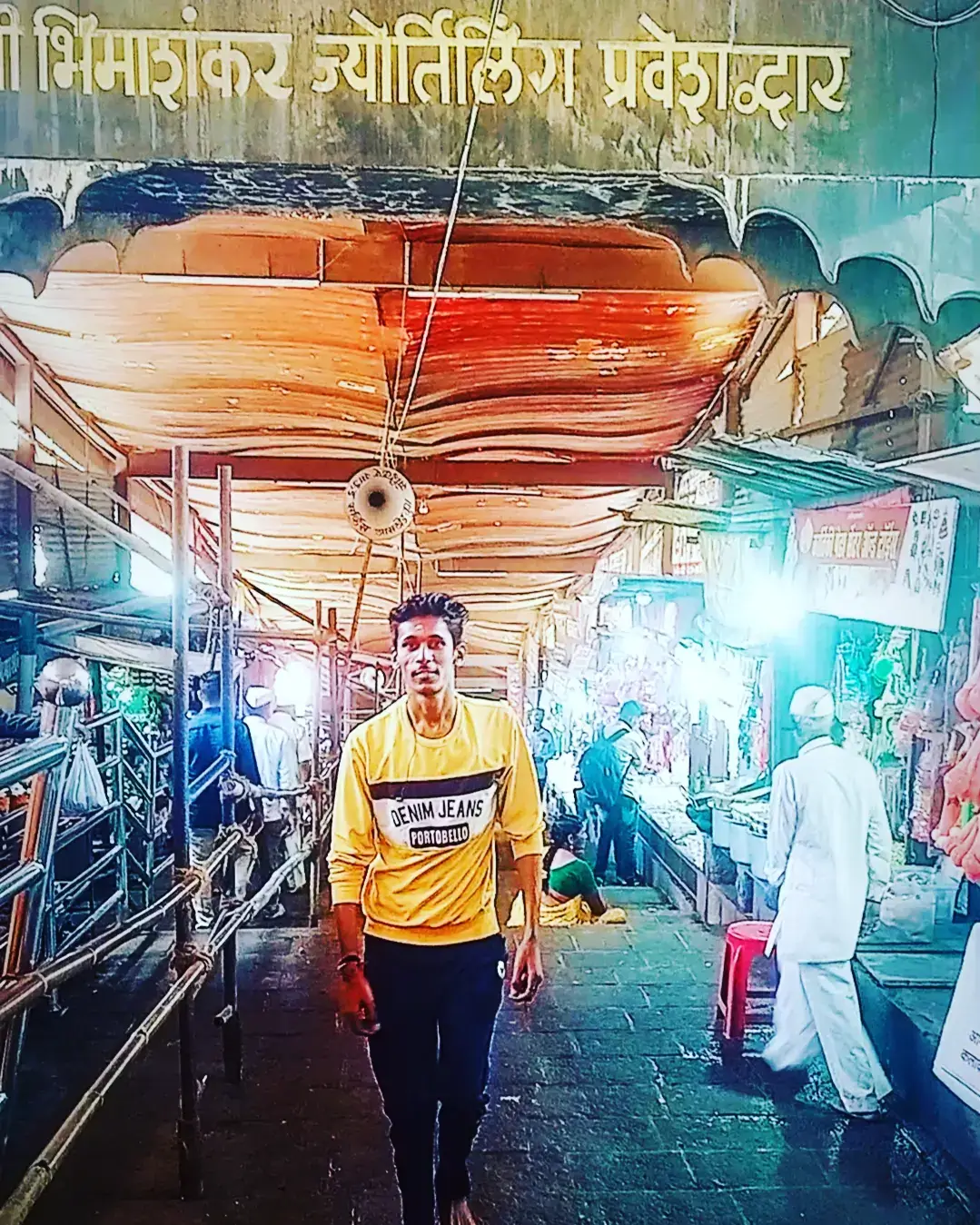
Bhimashankar – Pune In Maharashtra
On the banks of River Bhima there lies, Bhimashankar temple- a marvellous black rock structure, with Nagara architectural pattern. Surrounded by a wildlife sanctuary of the same name, this jyotirlinga in Maharashtra is believed to be built by Bheema- Kumbhakarna’s son. Huge number of pilgrims visit this shrine, round the year, especially during Maha Shivratri. Devotees visiting Bhimashankar temple, also see Kamalaja temple- an incarnation of Parvati, located close by. This is one of the most popular jyotirlinga in India.
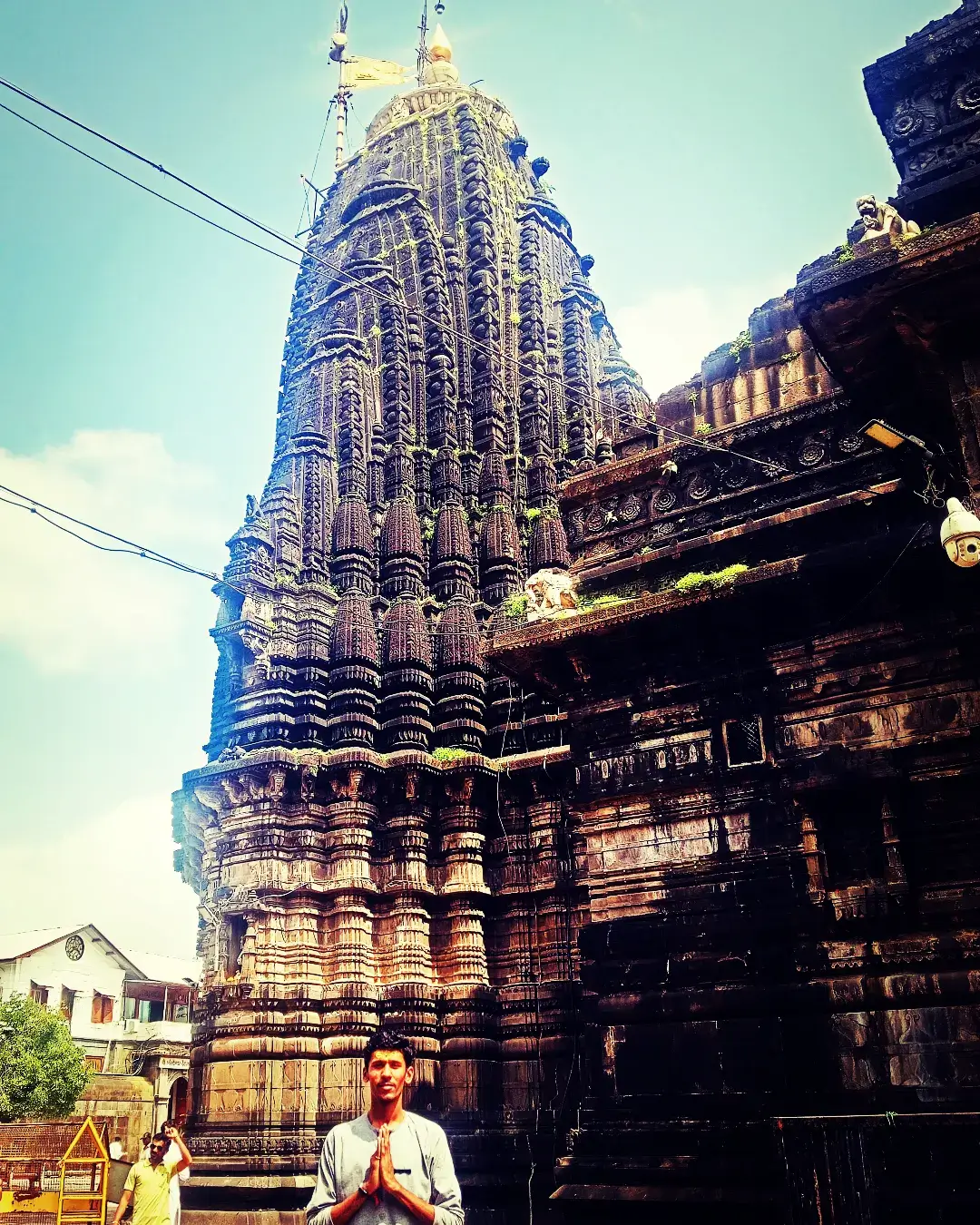
Trimbakeshwar – Nashik In Maharashtra
Trimbakeshwar jyotirlinga is located near Brahmagiri mountain, the place of origin of Godavari River, also known as Gautami Ganga. According to Shiv Purana, Godavari River and Gautami Rishi pleaded Lord Shiva to reside here and hence the God emerged in the form of Trimbakeshwar. The most unique part of this jyotirlinga is its shape. Instead of a shrine, there is a void here with three pillars placed inside. The three pillars represent the three most powerful and authoritative Gods, namely, Brahma, Vishnu, and Maheshwar.
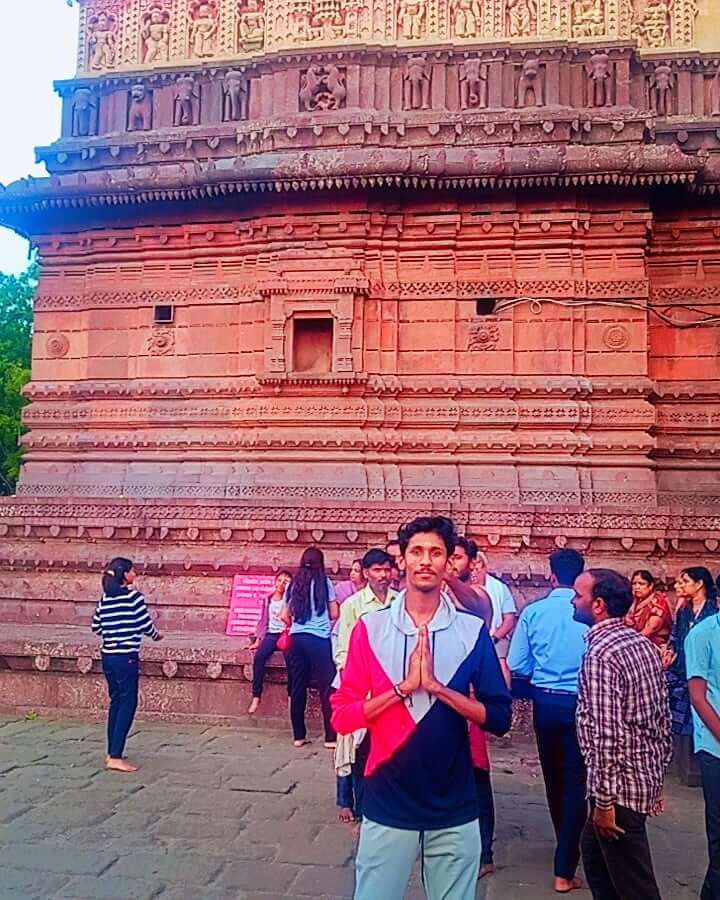
Grishneshwar – Aurangabad In Maharashtra
With impressive red rock 5 storied Shikhara style structure, carvings of Gods and Goddesses and a huge Nandi Bull in the main court hall, Grishneshwar temple is one of the 12 jyotirlingas of Shiva Purana, located near the caves of Ajanta and Ellora. Built by Ahilyabai Holkar, this temple is also known as Gru Someswara and Kusum Eswarar. The sculpture of Vishnu’s Dashavatar, carved on red rock is immensely impressive and fascinates each and every visitor. This is also one of the best places to visit in Aurangabad.
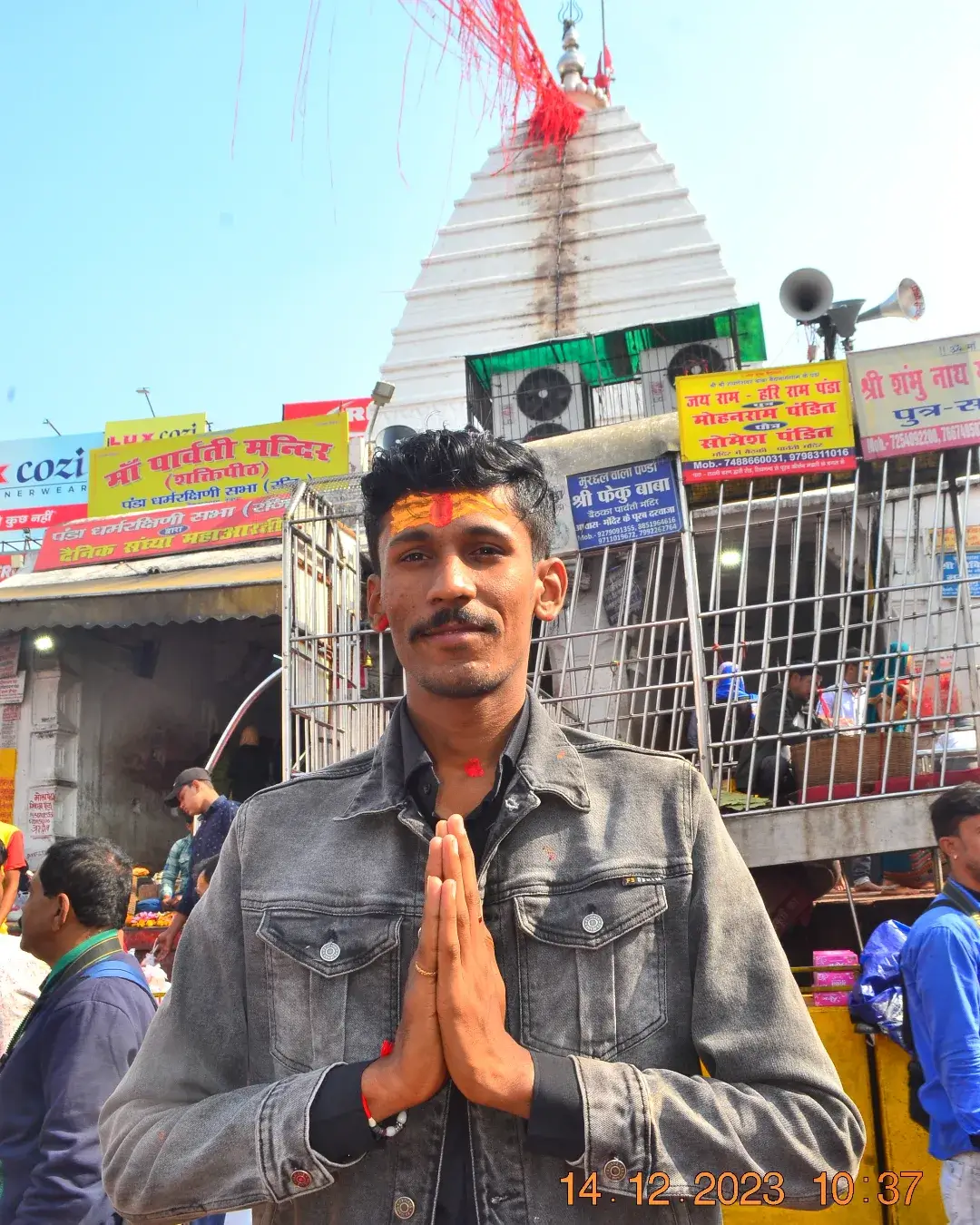
Vaidyanath – Deoghar In Jharkhand
A highly revered jyotirlinga among the 12 Jyotirlinga names in the country, Vaidyanath or Baidyanath or Vaijinath is also one among the 52 shakti pethas shrines of Sati of Hindu religion. Mythological stories believe that Ravana revered Shiva for years and invited Shiva to Lanka. Shiva showed up as shivalinga and ordered Ravana to not to put down anywhere until he reaches Lanka. It is a popular Jyotirling in India.Vishnu interrupted Ravana in between and influenced him to keep the shivalinga at rest for sometimes. Thus, Ravana disobeyed Shiva and since then he resides as Vaidyanath, here in Deoghar. The month of Shravana receives maximum footfall here as people believe worshipping this shrine of Shiva will help them to get rid of all miseries and attain moksha and salvation.
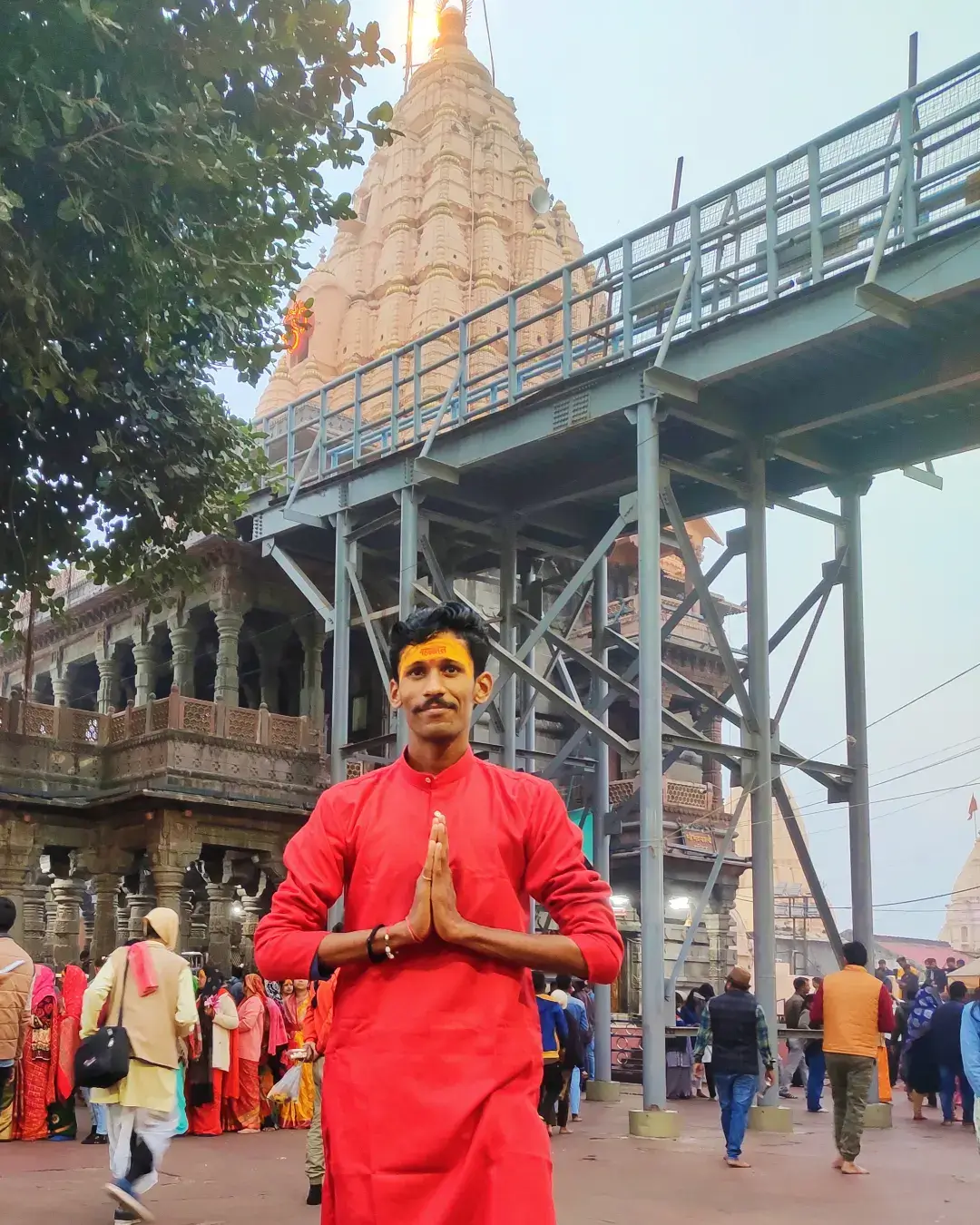
Mahakaleshwar – Ujjain In Madhya Pradesh
Surrounded by dense Mahakal forest, Mahakaleshwar temple, Ujjain is another the Jyotirling in India that has immense spiritual significance. As one of the popular jyotirlingas of central India, the shrine at Mahakaleshwar is believed to be set up by a five-year-old boy Srikar, who was inspired by the devotion of King Chandrasena of Ujjain. Located by the banks of Kshipra River, Mahakaleshwar jyotirlinga is also among the seven mukti-sthal in India; the place that can liberate a human being to eternity.
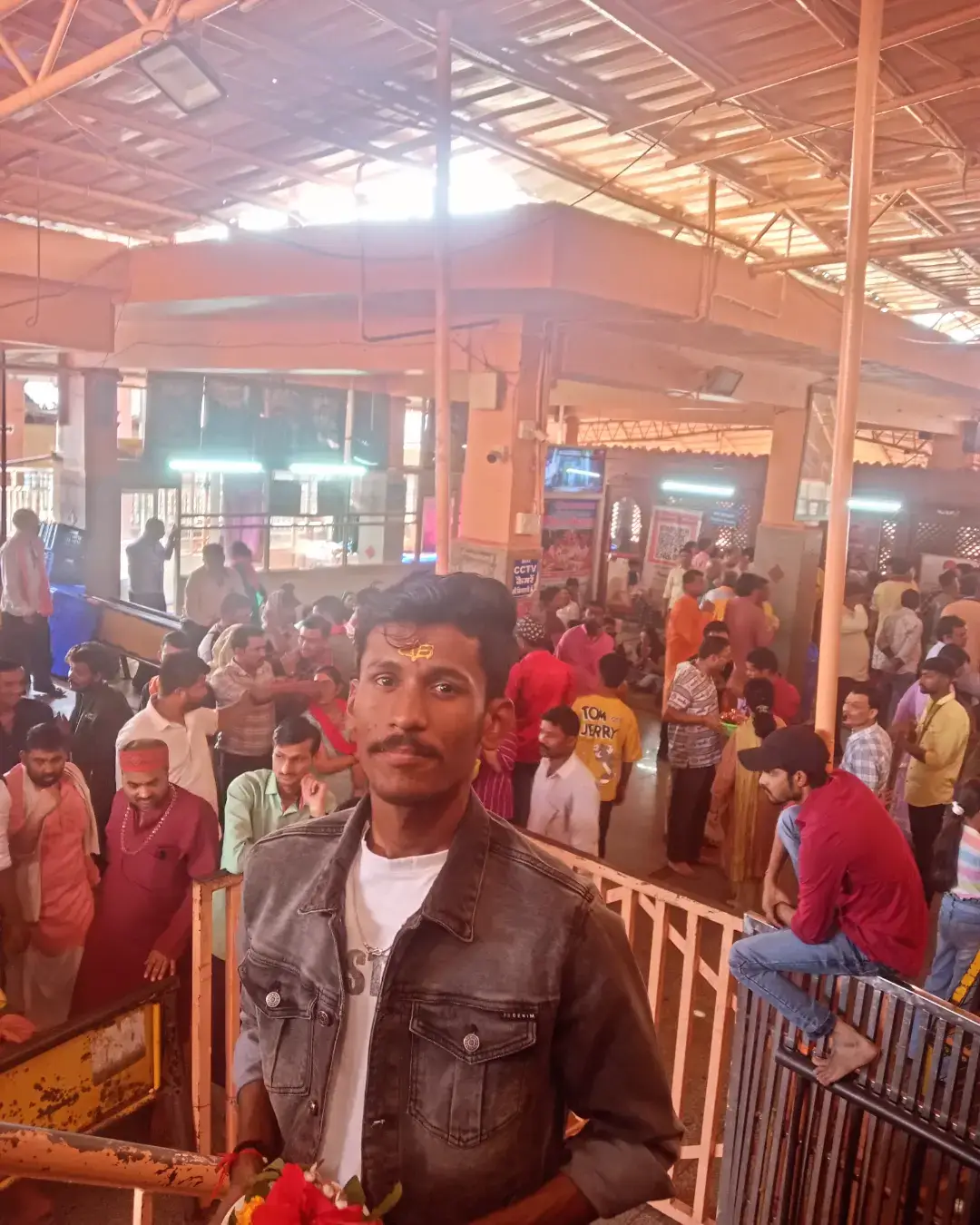
Omkareshwar – Khandwa In Madhya Pradesh
Omkareshwar, translating to ‘Lord of the Om Sound’, is one of the most sacred places in India. Situated in an island called Shivapuri, on the Narmada River, this temple has immense mythological significance too. People believe that once there was a war between Devas and Danavas, and the devas prayed to Lord Shiva for victory. Satisfied with the prayer, Lord Shiva appeared as Omkareshwar and helped the devas to achieve triumph over the evils, making it one of the most popular among the 12 jyotirlingas in India.

Kashi Vishwanath – Varanasi In Uttar Pradesh
Renowned as Golden Temple in Varanasi, Kashi Vishwanath is a popular one on the Jyotirlinga temples list. Constructed in 1780 by Maharani Ahilyabai Holkar- a Maratha Monarch, this Jyotirlinga is a significant religious place for the Hindus. Devotees believe that Lord Shiva resided here and offered liberation and happiness to all. It is also considered as one of the first Jyotirlingas in the country which showcased its power over other Gods, broke through Earth’s surface and moved towards heaven. It’s among the most sought after 12 Jyotirlingas in India.
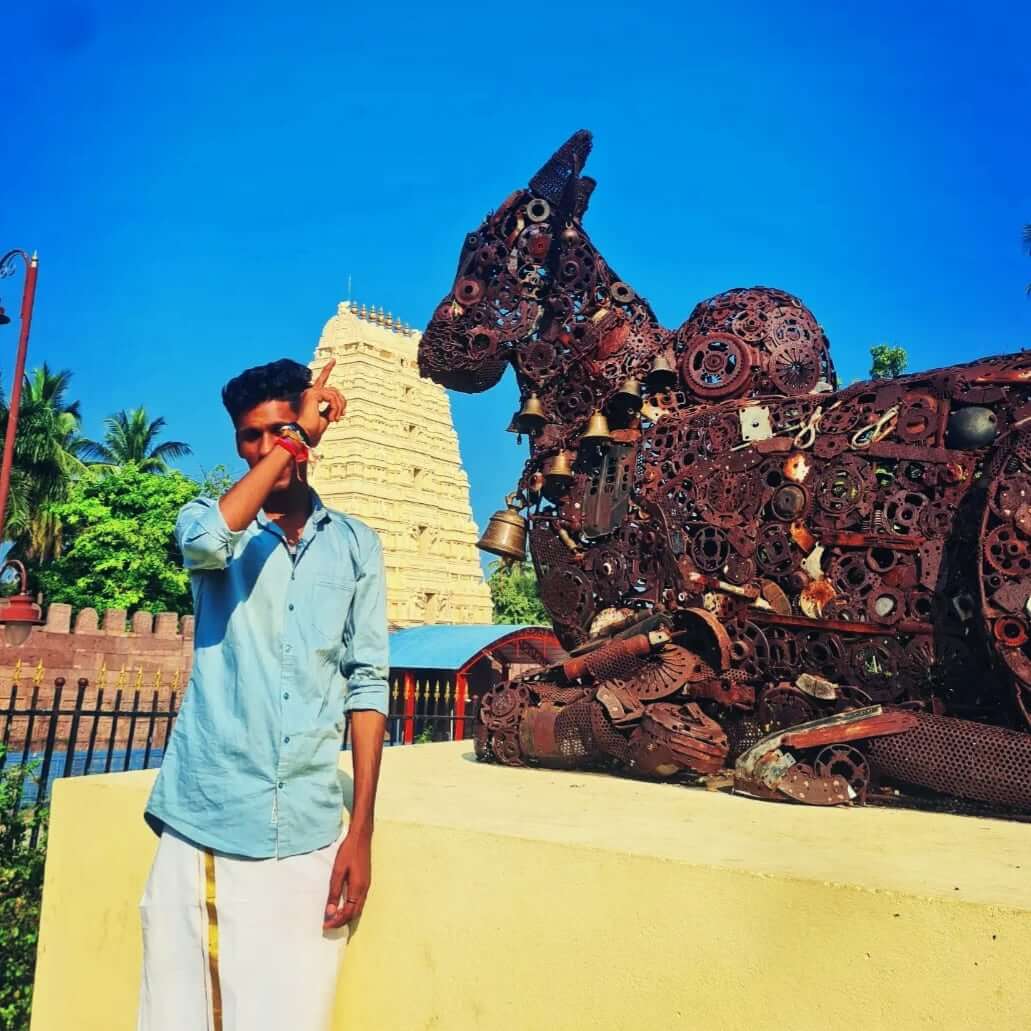
Mallikarjuna – Srisailam In Andhra Pradesh
Popular as Kailash of the South among the other 12 Jyotirlingas in India; Mallikarjuna jyotirlinga temple is located atop Shri Saila Mountain, on the banks of River Krishna. With beautiful architecture and sculptures, decorated pillars known as gopurams and mukha mandapa hall, the temple of Mallikarjuna consists of deities of Shiva and Bhramaramba or Parvati and is listed as one among the 52 shakti peeths of Sati. Mallikarjuna jyotirlinga is unquestionable, one of the greatest Shaivite shrines of the country.


A Note from the Founder
How it all started
Starting a travel adventure, especially for a spiritual or transformative purpose, involves several key steps. Here’s a guide to help you get started:
1. Define Your Intentions
Clarify Your Purpose: Reflect on what you hope to gain from your travels. Are you seeking personal growth, spiritual enlightenment, cultural understanding, or simply a change of perspective?
Set Goals: Identify specific goals or experiences you want to have, such as visiting sacred sites, participating in local rituals, or finding moments of peace.
2. Research and Plan
Choose Your Destinations: Research locations known for their spiritual significance or that align with your interests. Consider temples, monasteries, sacred mountains, or spiritual retreats.
Learn About Local Customs: Understanding the cultural and religious practices of your destination can enrich your experience and show respect for local traditions.
Plan Your Itinerary: Create a flexible itinerary that allows for exploration and spontaneity. Include key places you want to visit, but also leave room for unexpected experiences.
3. Prepare Logistically
Travel Documents: Ensure your passport, visas, and any necessary permits are in order.
Health and Safety: Check for any required vaccinations and health advisories. Consider travel insurance for added peace of mind.
Packing: Pack according to your destination's climate and cultural norms. Include items that may be needed for spiritual practices or rituals.
4. Engage Mindfully
Be Present: Approach your journey with mindfulness and openness. Be ready to embrace new experiences and insights.
Respect Local Traditions: Follow local customs and dress codes, especially when visiting sacred sites or participating in religious practices.
Reflect Regularly: Take time to reflect on your experiences and how they align with your spiritual or personal goals. Journaling can be a helpful tool for this.
5. Connect with Local Communities
Seek Guidance: Engage with local guides or spiritual leaders who can offer deeper insights and facilitate meaningful experiences.
Participate Actively: Join local events, ceremonies, or gatherings to immerse yourself fully in the cultural and spiritual context.
6. Embrace the Journey
Stay Open: Allow yourself to be surprised and inspired by the journey. Flexibility can lead to unexpected and enriching experiences.
Practice Gratitude: Cultivate a sense of gratitude for the opportunities and lessons that come your way.
"Starting your spiritual travel adventure with intention and openness can lead to a profoundly enriching experience"